What Youth for Christ is Doing

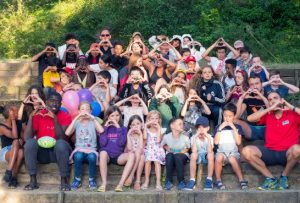
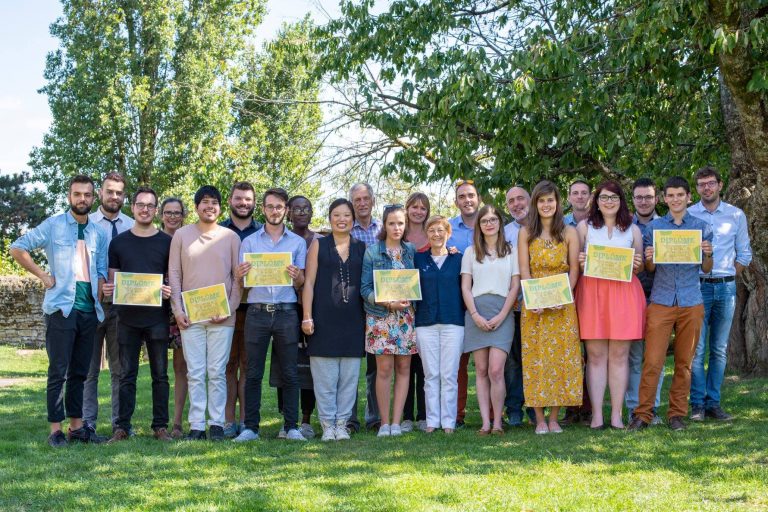
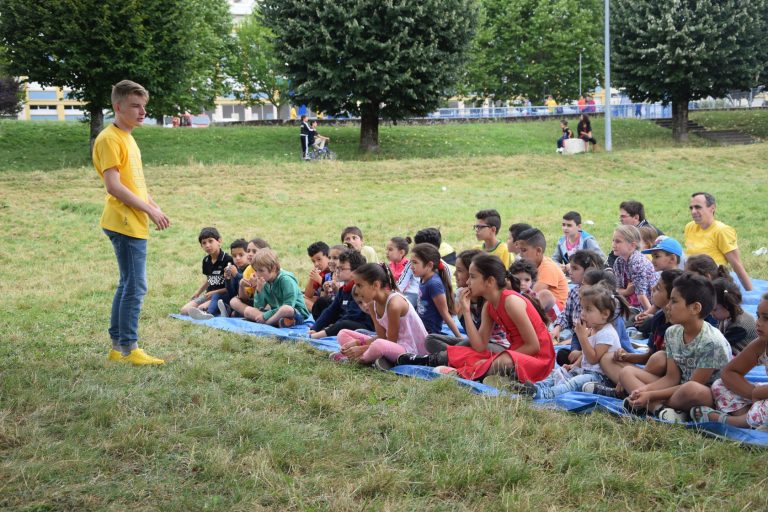
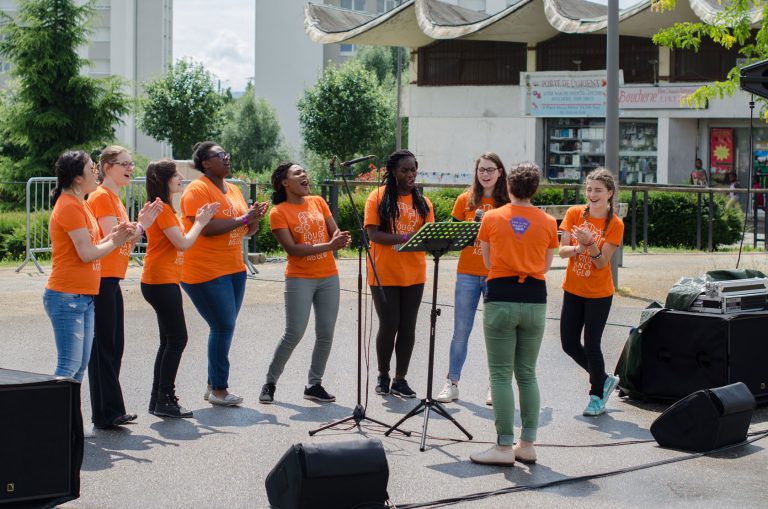
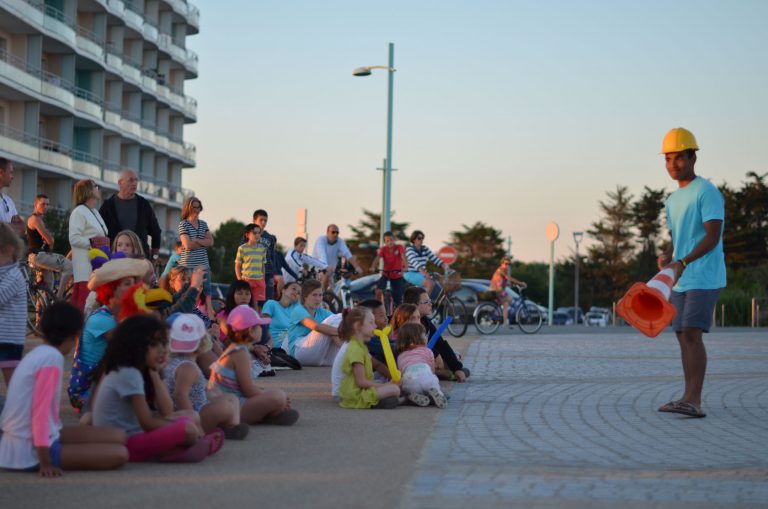
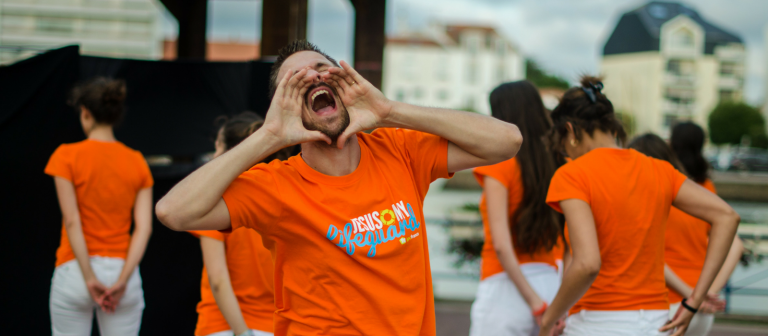
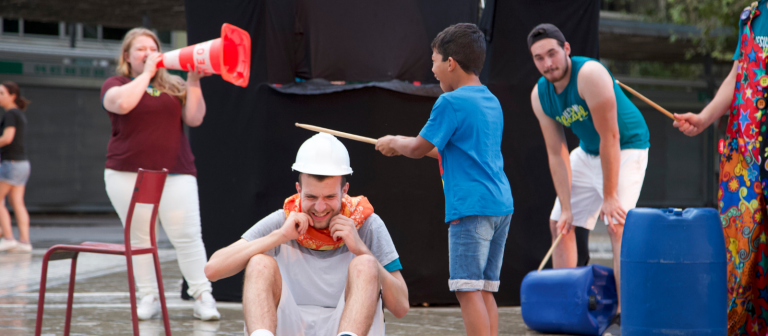
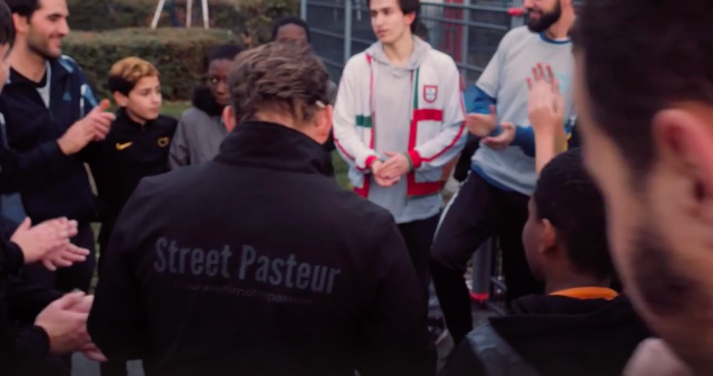
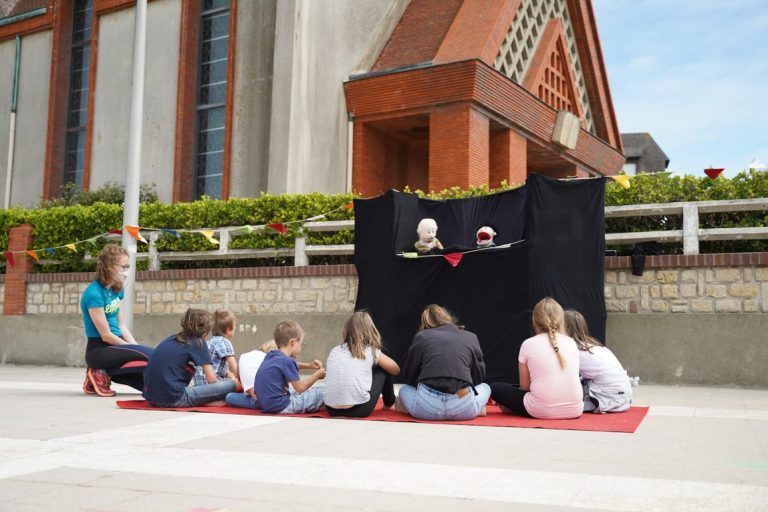
Youth for Christ’s ministry to young people in over seven centers includes the use of camps, conferences, concerts, clubs, sports, training, magazines and internet.

Prayer Needs

  • Continued development of ministry through media such as publications, internet and movies.
  • Finalize and fully implement leadership training such as Daniel Generation.
  • Strengthen the training programs.
  • Develop full-time evangelistic teams.

About France

France

Introduction

Although ultimately a victor in World Wars I and II, France suffered extensive losses in its empire, wealth, manpower, and rank as a dominant nation-state. Nevertheless, France today is one of the most modern countries in the world and is a leader among European nations. Since 1958, it has constructed a hybrid presidential-parliamentary governing system resistant to the instabilities experienced in earlier more purely parliamentary administrations. In recent years, its reconciliation and cooperation with Germany have proved central to the economic integration of Europe, including the introduction of a common exchange currency, the euro, in January 1999. At present, France is at the forefront of efforts to develop the EU's military capabilities to supplement progress toward an EU foreign policy.

Geography

Location

Location: Western Europe, bordering the Bay of Biscay and English Channel, between Belgium and Spain, southeast of the UK; bordering the Mediterranean Sea, between Italy and Spain
Geographic coordinates: 46 00 N, 2 00 E

Area

Total Area: 643,427 sq km; 551,500 sq km (metropolitan France) Rank: 42
Land Area: 640,053 sq km; 549,970 sq km (metropolitan France)
Water Area: 3,374 sq km; 1,530 sq km (metropolitan France)
Note: the first numbers include the overseas regions of French Guiana, Guadeloupe, Martinique, and Reunion
Comparison: slightly less than the size of Texas

Climate

generally cool winters and mild summers, but mild winters and hot summers along the Mediterranean; occasional strong, cold, dry, north-to-northwesterly wind known as mistral

Terrain

mostly flat plains or gently rolling hills in north and west; remainder is mountainous, especially Pyrenees in south, Alps in east

Elevations

Lowest Point: Rhone River delta -2 m
Highest Point: Mont Blanc 4,807 m

Natural Resources

coal, iron ore, bauxite, zinc, uranium, antimony, arsenic, potash, feldspar, fluorspar, gypsum, timber, fish

Land Use

Arable land: 33.46%
Permanent Crops: 2.03%
Other: 64.51%
Renewable Water Resources: 189 cu km (2005)
Total Freshwater withdrawal (domestic/industrial/agricultural): 33.16 cu km/yr (16%/74%/10%)
Freshwater Withdrawal Per Capita: 548 cu m/yr (2000)

Environment

flooding; avalanches; midwinter windstorms; drought; forest fires in south near the Mediterranean
Environmental Issues: some forest damage from acid rain; air pollution from industrial and vehicle emissions; water pollution from urban wastes, agricultural runoff
Environmental Agreements: Party to: Air Pollution, Air Pollution-Nitrogen Oxides, Air Pollution-Persistent Organic Pollutants, Air Pollution-Sulfur 85, Air Pollution-Sulfur 94, Air Pollution-Volatile Organic Compounds, Antarctic-Environmental Protocol, Antarctic-Marine Living Resources, Antarctic Seals, Antarctic Treaty, Biodiversity, Climate Change, Climate Change-Kyoto Protocol, Desertification, Endangered Species, Hazardous Wastes, Law of the Sea, Marine Dumping, Marine Life Conservation, Ozone Layer Protection, Ship Pollution, Tropical Timber 83, Tropical Timber 94, Wetlands, Whaling

Geography Notes

largest West European nation

People

Population

64,420,073 Rank: 21

Age Structure

0-14 years: 18.6% (male 6,129,729/female 5,838,925)
15-64 years: 65% (male 20,963,124/female 20,929,280)
65 years and over: 16.4% (male 4,403,248/female 6,155,767) (2010 est.)
Median Age: 38.2 years

Population Growth

Growth Rate: 0.549% (2010 est.) Rank: 152
Birth Rate: 12.57 births/1,000 population (2010 est.) Rank: 162
Death Rate: 8.56 deaths/1,000 population (July 2010 est.) Rank: 89
Net Migration Rate: 1.48 migrant(s)/1,000 population (2010 est.) Rank: 48

Urbanization

Urban Population: 77% of total population (2008)
Rate of Urbanization: 0.8% annual rate of change (2005-10 est.)

Life and Death

Infant Mortality Rate: 3.33 deaths/1,000 live births Rank: 217
Life Expectancy at Birth: 80.98 years Rank: 8
Fertility Rate: 1.97 children born/woman (2010 est.) Rank: 133

Health and Disease

HIV/AIDS - Adult Prevalence Rate: 0.4% (2007 est.) Rank: 83
People living with HIV/AIDS: 140,000 (2007 est.) Rank: 38
HIV/AIDS Deaths: 1,600 (2007 est.) Rank: 65

Nationality and Culture

Noun: Frenchman(men), Frenchwoman(women)
Adjective: French
Ethnic Groups: Celtic and Latin with Teutonic, Slavic, North African, Indochinese, Basque minorities
Religion: Roman Catholic 83%-88%, Protestant 2%, Jewish 1%, Muslim 5%-10%, unaffiliated 4%
Languages: French 100%, rapidly declining regional dialects and languages (Provencal, Breton, Alsatian, Corsican, Catalan, Basque, Flemish)

Education

Literacy (Meaning, age 15 and over can read and write): 99% Male: 99% Female: 99% (2003 est.)
School life expectancy (primary to tertiary education): 16 years Male: 16 years Female: 17 years (2006)
Education expenditures: 5.7% of GDP (2005) Rank: 46

Government

Country Name

Conventional Long Form: French Republic
Conventional Short Form: France
Local Long Form: Republique francaise
Local Short Form: France
Government Type: republic
Capital: Paris Geographic Coordinates: 48 52 N, 2 20 E

Administrative divisions

26 regions (regions, singular - region); Alsace, Aquitaine, Auvergne, Basse-Normandie (Lower Normandy), Bourgogne (Burgundy), Bretagne (Brittany), Centre, Champagne-Ardenne, Corse (Corsica), Franche-Comte, Guadeloupe, Guyane (French Guiana), Haute-Normandie (Upper Normandy), Ile-de-France, Languedoc-Roussillon, Limousin, Lorraine, Martinique, Midi-Pyrenees, Nord-Pas-de-Calais, Pays de la Loire, Picardie, Poitou-Charentes, Provence-Alpes-Cote d'Azur, Reunion, Rhone-Alpes
Independence: 4 October 1958 (Fifth French Republic established); notable earlier dates: 486 (Frankish tribes unified under Merovingian kingship); 10 August 843 (Western Francia established from the division of the Carolingian Empire); 14 July 1789 (French monarchy overthrown); 22 September 1792 (First French Republic founded)
National Holiday: Fete de la Federation, 14 July (1790); note - although often incorrectly referred to as Bastille Day, the celebration actually commemorates the holiday held on the first anniversary of the storming of the Bastille (on 14 July 1789) and the establishment of a constitutional monarchy; other names for the holiday are Fete Nationale (National Holiday) and quatorze juillet (14th of July)
Constitution: adopted by referendum 28 September 1958; effective 4 October 1958; amended many times
Note: amended concerning election of president in 1962; amended to comply with provisions of 1992 EC Maastricht Treaty, 1997 Amsterdam Treaty, 2003 Treaty of Nice; amended to tighten immigration laws in 1993; amended in 2000 to change the seven-year presidential term to a five-year term; amended in 2005 to make the EU constitutional treaty compatible with the Constitution of France and to ensure that the decision to ratify EU accession treaties would be made by referendum
Legal system: civil law system with indigenous concepts; review of administrative but not legislative acts; has not accepted compulsory ICJ jurisdiction
Suffrage: 18 years of age; universal

Executive Branch

Chief of State: President Nicolas SARKOZY (since 16 May 2007)
Head of Government: Prime Minister Francois FILLON (since 17 May 2007)
Cabinet: Council of Ministers appointed by the president at the suggestion of the prime minister
Elections: president elected by popular vote for a five-year term; election last held on 22 April and 6 May 2007 (next to be held in the spring of 2012); prime minister appointed by the president
Election Results: Nicolas SARKOZY wins the election; first round: percent of vote - Nicolas SARKOZY 31.2%, Segolene ROYAL 25.9%, Francois BAYROU 18.6%, Jean-Marie LE PEN 10.4%, others 13.9%; second round: SARKOZY 53.1% and ROYAL 46.9%

Legislative Branch

bicameral Parliament or Parlement consists of the Senate or Senat (343 seats; 321 for metropolitan France and overseas departments, 2 for New Caledonia, 2 for Mayotte, 1 for Saint-Pierre and Miquelon, 1 for Saint-Barthelemy, 1 for Saint-Martin, 3 for overseas territories, and 12 for French nationals abroad; members indirectly elected by an electoral college to serve six-year terms; one third elected every three years); note - between 2006 and 2011, 15 new seats will be added to the Senate for a total of 348 seats - 326 for metropolitan France and overseas departments, 2 for New Caledonia, 2 for Mayotte, 1 for Saint-Pierre and Miquelon, 1 for Saint-Barthelemy, 1 for Saint-Martin, 3 for overseas territories, and 12 for French nationals abroad; starting in 2008, members will be indirectly elected by an electoral college to serve six-year terms with one-half elected every three years; and the National Assembly or Assemblee Nationale (577 seats; 555 for metropolitan France, 15 for overseas departments, 7 for dependencies; members elected by popular vote under a single-member majority system to serve five-year terms)
Elections: Senate - last held on 21 September 2008 (next to be held in September 2014); National Assembly - last held on 10 and 17 June 2007 (next to be held in June 2012)
Election Results: Senate - percent of vote by party - NA; seats by party - UMP 151, PS 116, UC-UDF 29, CRC 23, RDSE 17, other 7; National Assembly - percent of vote by party - UMP 46.4%, PS 42.2%, miscellaneous left wing parties 2.5%, PCF 2.3%, NC 2.1%, PRG 1.6%, miscellaneous right wing parties 1.2%, the Greens 0.4%, other 1.2%; seats by party - UMP 313, PS 186, NC 22, miscellaneous left wing parties 15, PCF 15, miscellaneous right wing parties 9, PRG 7, the Greens 4, other 6

Judicial branch

Supreme Court of Appeals or Cour de Cassation (judges are appointed by the president from nominations of the High Council of the Judiciary); Constitutional Council or Conseil Constitutionnel (three members appointed by the president, three appointed by the president of the National Assembly, and three appointed by the president of the Senate); Council of State or Conseil d'Etat

Politics

Political Parties and Leaders: Communist, Republican and Citizen or CRC; Democratic and Social European Rally or RDSE [Yvon COLLIN] (mainly Radical Republican and Socialist Parties, and PRG); Democratic Movement or MoDem [Francois BAYROU] (previously Union for French Democracy or UDF); French Communist Party or PCF [Marie-George BUFFET]; Greens [Cecile DUFLOT]; Left Party or PG [Jean-Luc MELENCHON]; Left Radical Party or PRG [Jean-Michel BAYLET] (previously Radical Socialist Party or PRS and the Left Radical Movement or MRG); Movement for France or MPF [Philippe DE VILLIERS]; National Front or FN [Jean-Marie LE PEN]; New Anticapitalist Party or NPA [Olivier BESANCENOT]; New Center or NC [Herve MORIN]; Radical Party [Jean-Louis BORLOO]; Rally for France or RPF [Charles PASQUA]; Republican and Citizen Movement or MRC [Jean Pierre CHEVENEMENT and Georges SARRE]; Socialist Party or PS [Martine AUBRY]; Union Centrist-UDF or UC-UDF [Michel MERCIER]; Union for a Popular Movement or UMP [Xavier BERTRAND]; Worker's Struggle or LO [Nathalie ARTHAUD]
Political pressure groups and leaders: Confederation francaise democratique du travail or CFDT, left-leaning labor union with approximately 803,000 members; Confederation francaise de l'encadrement - Confederation generale des cadres or CFE-CGC, independent white-collar union with 196,000 members; Confederation francaise des travailleurs chretiens of CFTC, independent labor union founded by Catholic workers that claims 132,000 members; Confederation generale du travail or CGT, historically communist labor union with approximately 700,000 members; Confederation generale du travail - Force ouvriere or FO, independent labor union with an estimated 300,000 members; Mouvement des entreprises de France or MEDEF, employers' union with 750,000 companies as members (claimed)
International Organization Participation: ADB (nonregional member), AfDB (nonregional member), Arctic Council (observer), Australia Group, BDEAC, BIS, BSEC (observer), CBSS (observer), CE, CERN, EAPC, EBRD, EIB, EMU, ESA, EU, FAO, FATF, FZ, G-20, G-5, G-7, G-8, G-10, IADB, IAEA, IBRD, ICAO, ICC, ICCt, ICRM, IDA, IEA, IFAD, IFC, IFRCS, IHO, ILO, IMF, IMO, IMSO, InOC, Interpol, IOC, IOM, IPU, ISO, ITSO, ITU, ITUC, MIGA, MINURCAT, MINURSO, MINUSTAH, MONUC, NATO, NEA, NSG, OAS (observer), OECD, OIF, OPCW, OSCE, Paris Club, PCA, PIF (partner), Schengen Convention, SECI (observer), SPC, UN, UN Security Council, UNCTAD, UNESCO, UNHCR, UNIDO, UNIFIL, Union Latina, UNITAR, UNMIL, UNOCI, UNRWA, UNTSO, UNWTO, UPU, WADB (nonregional), WCO, WFTU, WHO, WIPO, WMO, WTO, ZC
Flag Description: three equal vertical bands of blue (hoist side), white, and red; known as the "Le drapeau tricolore" (French Tricolor), the origin of the flag dates to 1790 and the French Revolution; the official flag for all French dependent areas
Note: the design and/or colors are similar to a number of other flags, including those of Belgium, Chad, Ireland, Cote d'Ivoire, Luxembourg, and Netherlands

Economy

Economy Overview: France is in the midst of transition from a well-to-do modern economy that has featured extensive government ownership and intervention to one that relies more on market mechanisms. The government has partially or fully privatized many large companies, banks, and insurers, and has ceded stakes in such leading firms as Air France, France Telecom, Renault, and Thales. It maintains a strong presence in some sectors, particularly power, public transport, and defense industries. With at least 75 million foreign tourists per year, France is the most visited country in the world and maintains the third largest income in the world from tourism. France's leaders remain committed to a capitalism in which they maintain social equity by means of laws, tax policies, and social spending that reduce income disparity and the impact of free markets on public health and welfare. France has weathered the global economic crisis better than most other big EU economies because of more resilient consumer and government spending, and lower exposure to the downturn in global demand. Nonetheless, France's real GDP contracted 2.2% in 2009, while the unemployment rate increased from 7.4% in 2008 to nearly 10%. In response to the economic crisis the government passed a $35 billion stimulus plan in February 2009 centered on investment in infrastructure and tax breaks for small businesses. Paris also created a $25 billion strategic investment fund to protect French companies from foreign takeovers, and President Nicolas SARKOZY proposed a $52 billion plan for strategic investments in science and technology. These various stimulus and investment measures are contributing to a deterioration of France's public finances. France's tax burden remains one of the highest in Europe - at nearly 50% of GDP. The government budget deficit rose sharply from 3.4% of GDP in 2008 to over 8% of GDP in 2009, topping the 3% euro-zone ceiling in both years. SARKOZY is expected to seek passage of some structural reforms - notably to the pension system and government bureaucracy - which have the potential to cut public expenditures, while he may delay additional, more costly, reforms.

Gross Domestic Product

GDP (purchasing power parity): $2.097 trillion (2009 est.) Rank: 9
GDP - real growth rate: -2.5% (2009 est.) Rank: 154
GDP - per capita (PPP): $32,600 (2009 est.) Rank: 41
GDP - Composition by Sector: Agriculture: 1.8% Industry: 19.3% Services: 78.9% (2009 est.)

Labor Force

Labor Force: 28.1 million (2009 est.) Rank: 20
Labor force - by occupation: Agriculture: 3.8% Industry: 24.3% Services: 71.8% (2005)
Unemployment Rate: 9.1% (2009 est.) Rank: 107<

Poverty

Population below poverty line: 6.2% (2004)

Transnational Issues

International Disputes: Madagascar claims the French territories of Bassas da India, Europa Island, Glorioso Islands, and Juan de Nova Island; Comoros claims Mayotte; Mauritius claims Tromelin Island; territorial dispute between Suriname and the French overseas department of French Guiana; France asserts a territorial claim in Antarctica (Adelie Land); France and Vanuatu claim Matthew and Hunter Islands, east of New Caledonia

Want to know more? Show Full Profile